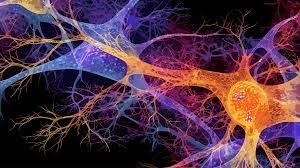
Sports betting has surged in popularity worldwide, blending excitement, strategy, and risk-taking. But beyond the thrill of the game and the lure of potential winnings lies a fascinating neurological story — one centered on neuroplasticity, the brain’s remarkable ability to reorganize itself in response to experiences.
What Is Neuroplasticity?
Neuroplasticity refers to the brain’s capacity to form new neural connections and adapt its structure and function throughout life. This adaptability underpins learning, memory, habit formation, and recovery from injury. When we engage in new activities or develop new skills, our brain physically changes to accommodate these experiences.
The Brain on Sports Betting
Sports betting is not merely a game of chance; it involves decision-making, pattern recognition, risk assessment, and emotional regulation. These cognitive functions engage several brain regions:
- Prefrontal Cortex: Responsible for planning, impulse control, and evaluating outcomes.
- Striatum: Part of the reward system, processing anticipation and receipt of rewards.
- Amygdala: Governs emotional responses, including excitement and anxiety.
When a bettor places a wager, their brain evaluates odds, potential payoffs, and risks — processes that can strengthen neural pathways associated with strategic thinking and reward anticipation.
Neuroplasticity in Action: Learning and Habit Formation
As bettors gain experience, their brains adapt. For example:
- Improved Pattern Recognition: Regular bettors may develop enhanced ability to spot trends and analyze statistics, linked to strengthened connections in areas related to analytical thinking.
- Habit Formation: Repeated betting can lead to habitual behavior, where neural pathways associated with reward become more entrenched, sometimes creating a cycle of reinforcement.
- Emotional Conditioning: Wins and losses shape emotional responses, potentially rewiring circuits tied to risk tolerance and stress management.
Risks of Maladaptive Neuroplasticity
While neuroplasticity enables learning and skill development, it can also contribute to problematic behaviors. In sports betting, this might manifest as:
- Addiction: The brain’s reward system may become hypersensitive to betting cues, leading to compulsive gambling.
- Impaired Decision Making: Over time, habitual betting can weaken prefrontal cortex function, reducing impulse control and increasing risky behavior.
Understanding these changes highlights the importance of responsible betting and awareness of the brain’s plastic nature.
Harnessing Neuroplasticity for Positive Outcomes
Knowledge of neuroplasticity opens doors for interventions:
- Cognitive Training: Techniques that enhance decision-making and emotional regulation can help bettors maintain control.
- Mindfulness and Stress Reduction: Practices that modulate amygdala activity may reduce impulsive betting driven by emotional highs and lows.
- Behavioral Therapy: Targeting maladaptive neural pathways can aid recovery from gambling addiction.
Conclusion
Neuroplasticity reveals that sports betting is more than luck and chance — it’s a dynamic interplay between brain adaptation and behavior. By understanding how betting shapes our neural circuits, individuals can better navigate the risks and rewards, fostering healthier, more informed engagement with this popular pastime.
Here’s a set of positive affirmations designed to help program your brain for success in sports betting by promoting focus, discipline, confidence, and emotional balance:
- I make clear, informed decisions based on research and strategy.
- I remain calm and focused regardless of wins or losses.
- I trust my analysis and intuition to guide my bets wisely.
- Discipline and patience are my greatest assets in betting.
- I manage risk responsibly and never chase losses impulsively.
- Every bet is an opportunity to learn and improve.
- I stay emotionally balanced and detached from outcomes.
- I attract success through consistent, smart choices.
- I control my actions; my actions do not control me.
- I am confident in my ability to adapt and grow as a bettor.
- I celebrate my progress and remain humble in victory.
- I set clear limits and honor them without exception.
- I focus on long-term success, not short-term thrills.
- I release fear and doubt, embracing clarity and confidence.
- My mind is sharp, resilient, and ready for every challenge.
You can repeat these affirmations daily or before betting sessions to help reinforce a positive, focused mindset aligned with success and responsible betting habits.
Are there activities to help bettors improve their neuroplasticity?
Definitely! Engaging in activities that enhance neuroplasticity can help bettors sharpen cognitive skills, improve emotional regulation, and make better decisions. Here are some recommended activities tailored to boost brain adaptability relevant to sports betting:
1. Mindfulness Meditation
- Why: Enhances focus, emotional control, and reduces impulsivity by strengthening prefrontal cortex and regulating amygdala activity.
- How: Practice daily mindfulness or focused breathing exercises for 10–20 minutes to improve attention and calmness during betting.
2. Cognitive Training Games
- Why: Improves working memory, pattern recognition, and decision-making skills.
- How: Use apps or puzzles that challenge logic, memory, and problem-solving (e.g., Sudoku, chess, brain-training apps like Lumosity).
3. Physical Exercise
- Why: Boosts overall brain health, neurogenesis, and cognitive flexibility through increased blood flow and growth factors.
- How: Engage in regular aerobic exercise (running, cycling, swimming) for at least 30 minutes, 3–5 times a week.
4. Strategic Learning
- Why: Builds neural pathways associated with analysis and critical thinking.
- How: Study sports statistics, betting strategies, and game theory; simulate betting scenarios to practice decision-making.
5. Journaling and Reflection
- Why: Enhances metacognition and emotional processing by creating awareness of thought patterns.
- How: Keep a betting journal to record decisions, emotions, outcomes, and lessons learned; review regularly to identify improvements.
6. Social Interaction and Discussion
- Why: Stimulates cognitive flexibility and perspective-taking.
- How: Join forums or groups to discuss betting strategies and experiences, encouraging diverse viewpoints and adaptive thinking.
7. Adequate Sleep
- Why: Critical for memory consolidation and brain plasticity.
- How: Aim for 7–9 hours of quality sleep per night to optimize cognitive function and emotional regulation.
8. Stress Management Techniques
- Why: Chronic stress impairs neuroplasticity and decision-making.
- How: Practice yoga, deep breathing, or progressive muscle relaxation to reduce stress and maintain clear judgment.
By incorporating these activities into your routine, you can strengthen brain circuits crucial for strategic thinking, emotional balance, and disciplined betting — all key to long-term success.
 This article from FF-Winners provides practical strategies for parents looking to nurture their child’s interest in sports without straining the family budget. It outlines how to leverage community resources, make informed choices about sports-related expenses, and participate actively in your child’s sporting life. These methods aim to reduce costs while maintaining a high level of enjoyment and quality engagement in sports activities. Parents can create a fulfilling sports experience that is both affordable and enriching for their children.
 Have you ever wondered how some people manage to stay perpetually fit and radiate vibrant health? While genetics do play a role in determining our physical appearance, our lifestyle choices have an even more significant impact on our health and well-being. It’s no mere stroke of luck but often the result of personalized guidance from a lifestyle fitness coach.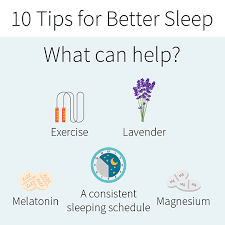
 We find ourselves in a state of utter dismay as the unthinkable has occurred. Our revered Aaron Rodgers, the epitome of skill and brilliance, has been struck down by an unfortunate injury.



 The African Americans had a traditional cuisine known as soul food or southern food. The African Americans carried soul food to North America and the other parts of America as they left the south between the early and mid-20th centuries. The African Americans moved in the significant migration period. Soul food range from some simple food such as chicken, rice, collard greens, and beans to candied yams, ham hocks, cheese, peach cobbler, macaroni, and cornbread. Soul food is part of the black food culture. Black food culture brings a sense of family, home, and togetherness.
  If you’re focused on strength training, the thought of adding cardio to your workout routine might make you a little uneasy. Not to mention, there are studies out there that show cardio is the best way to reduce body mass, which, let’s be honest, isn’t exactly what we all want to hear when we are hitting the weight rack…but that doesn’t mean we should dismiss it completely. Garage Gym Reviews collaborated with Jacob Penner, USA Weightlifting Level 1 Coach, NCSA Certified personal trainer, and CrossFit Level 1 Trainer to discuss how you can balance cardio with strength training in ways that won’t sacrifice muscle mass:
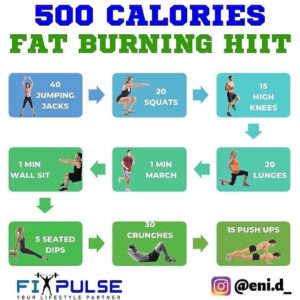
 HIIT (High Intensity Interval Training ) has a wide range of health benefits. Improved fat loss, greater calorie burn, and cardiovascular health are some of the major benefits that one can get by doing regular HIIT workouts. Check out the
 Proper nutrition is essential for kids and adolescents as it allows optimal growth and development. However, as young athletes train for long hours, their nutritional needs differ from their peers’ needs.