 The Hidden Mind Games: How Cognitive Biases Shape Sports Betting
Sports betting isn’t just about stats, odds, or gut feelings — it’s a psychological battlefield where your own mind can be your biggest opponent. Cognitive biases, those sneaky mental shortcuts and errors in thinking, lurk behind every wager, quietly influencing decisions and often leading to costly mistakes. Understanding these biases can be your secret weapon to betting smarter and staying ahead of the game.
What Are Cognitive Biases?
Cognitive biases are systematic patterns of deviation from rational judgment. They’re mental “shortcuts” our brains take to process information quickly, but they can distort reality and cloud decision-making. In sports betting, where uncertainty reigns and emotions run high, these biases can be especially powerful.
The Usual Suspects in Sports Betting
1. Confirmation Bias: Seeing What You Want to See
Example: Sarah is a die-hard fan of the Tigers football team. Before placing her bet, she scours news and stats but mostly focuses on articles praising the Tigers’ recent impressive offense. She ignores reports about their shaky defense and key injuries. Her bet is based on cherry-picked information, leading to an unexpected loss.
2. The Hot-Hand Fallacy: Chasing Streaks
Example: Mike notices that his favorite basketball player has scored 30+ points in the last three games. Convinced the player is “on fire,” Mike bets heavily on him to score big again in the next game. Unfortunately, the player has an off night, and Mike’s bet doesn’t pay off.
3. Gambler’s Fallacy: Expecting a Turnaround
Example: After losing five bets in a row on soccer matches, James believes his luck is about to change. He doubles his wager on the next game, convinced a win is “due.” The match ends in another loss, illustrating how each game is independent and past results don’t predict future outcomes.
4. Anchoring Bias: Stuck on Initial Odds
Example: Emma sees the opening odds for a tennis match and thinks the favorite’s chances are unbeatable. Later, she learns the favorite has a minor injury, and odds shift accordingly. However, Emma still bets based on the initial odds, ignoring the updated information, which leads to a surprise upset.
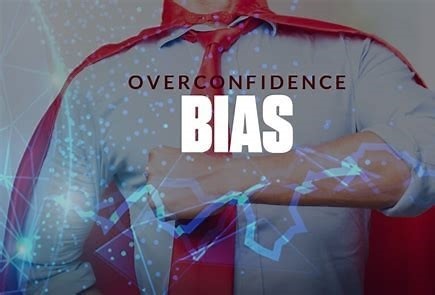
5. Overconfidence Bias: The Illusion of Control
Example: Carlos has been successful in a few small bets and starts believing he has a “winning formula.” He increases his stakes dramatically, convinced his predictions are infallible. When a major upset happens, he faces a significant loss, a harsh lesson in humility.
How to Outsmart Your Own Mind
- Stay Data-Driven: Rely on comprehensive stats, not just highlights or recent events.
- Question Your Assumptions: Actively seek information that challenges your views.
- Set Limits: Manage your bankroll wisely to avoid chasing losses.
- Keep Emotions in Check: Don’t let fandom or frustration dictate your bets.
- Learn Continuously: Reflect on past bets to identify patterns in your thinking.
Final Whistle
Sports betting is thrilling, but it’s also a mental game where cognitive biases can tip the scales against you. By recognizing these hidden mind traps, you gain an edge — turning instinct into insight and luck into strategy. Next time you place a bet, remember: the biggest challenge might just be your own brain.


10 Questions to Ask Yourself Before Placing a Sports Bet
- Am I basing this bet on solid data or just my gut feeling?
(Avoid confirmation bias by seeking balanced information.) - Have I considered recent performance and long-term trends?
(Beware the hot-hand fallacy.) - Am I chasing a losing streak or expecting a win just because “it’s due”?
(Watch out for gambler’s fallacy.) - Have I checked for any new information that might affect the odds?
(Don’t get anchored to outdated lines.) - Am I betting because I’m excited or frustrated, rather than being objective?
(Emotions can cloud judgment.) - Have I set a clear budget and am I sticking to it?
(Avoid overconfidence and reckless betting.) - Do I have a backup plan if this bet doesn’t go as expected?
(Prepare for uncertainty.) - Have I compared multiple sources and expert analyses?
(Don’t rely on a single viewpoint.) - Am I overestimating my ability to predict outcomes?
(Stay humble and realistic.) - Have I reviewed my past bets to learn from mistakes?
(Continuous learning sharpens your strategy.)